O cinema, no decorrer de uma trajetória de mais de um século, foi buscando suas especificidades, adequando, adaptando e transformando princípios de dramaturgia advindos do teatro e da literatura, até constituir seus próprios parâmetros. Em geral, estudos de cinema se voltam para filmes já finalizados e, os conteúdos dos livros de roteiro tendem a ensinar as ‘leis do drama’ na concepção da cena. Por outro lado, muitos roteiristas se debatem entre utilizar estratégias de dramaturgia já consolidadas e/ou outras concepções não denominadas, nem sistematizadas.
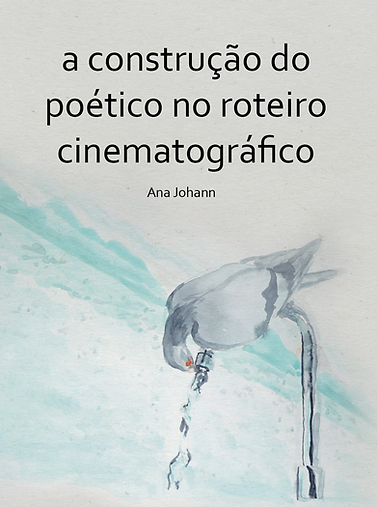
A partir destas constatações, este livro concentra-se em refletir sobre a construção do poético na escrita do roteiro cinematográfico. Conhecidos elementos de roteiros (pássaros, cavalos, quadros, torneira, entre outros) foram examinados sob diferentes perspectivas e à luz de conceitos de diversos autores, como: Bachelard (2000), poética do espaço; Greimas (2002) fratura e escapatória; Xavier (2005), transparência e opacidade e Samain (2012), como pensam as imagens, aplicados a filmes, como Django (Quentin Tarantino, 2012) e, especialmente, Amor (Michael Haneke, 2012).
Este estudo apresenta os caminhos percorridos pela roteirista/autora, em busca de um maior entendimento sobre algumas particularidades do poético na escrita de roteiros cinematográficos.
Over the course of a trajectory spanning more than a century, cinema has sought out its own specificities, adapting and transforming dramaturgical principles inherited from theater and literature until establishing its own parameters. In general, film studies tend to focus on finished works, while screenwriting manuals usually aim to teach the “laws of drama” in scene construction. On the other hand, many screenwriters find themselves torn between using already established dramaturgical strategies and other approaches that are neither named nor systematized.
Based on these observations, this book focuses on reflecting upon the construction of the poetic in cinematic screenwriting. Well-known elements from screenplays (birds, horses, paintings, a faucet, among others) are examined from different perspectives and in light of concepts by various authors, such as: Bachelard (2000), The Poetics of Space; Greimas (2002), fracture and escape; Xavier (2005), transparency and opacity; and Samain (2012), how images think—applied to films such as Django (Quentin Tarantino, 2012) and especially Amour (Michael Haneke, 2012).
This study presents the paths taken by the screenwriter/author in search of a deeper understanding of certain particularities of the poetic in the writing of cinematic screenplays.